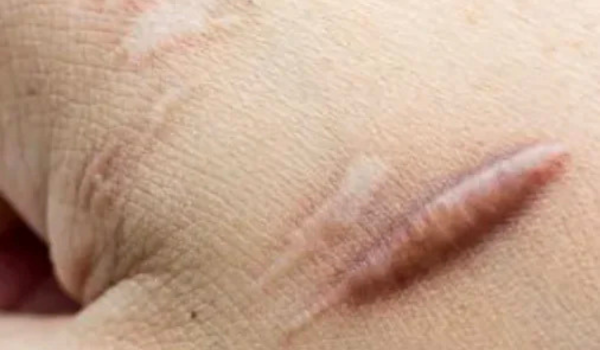
Keloid scars are formed from excess collagen during healing and may continue to grow beyond the original wound. Combined treatment is used in the management of keloids to address both the scar and recurrence risk.
Reduce Raised Keloid Scars and Lower the Risk of Recurrence.
A doctor-guided approach combining surgical removal with targeted radiotherapy.
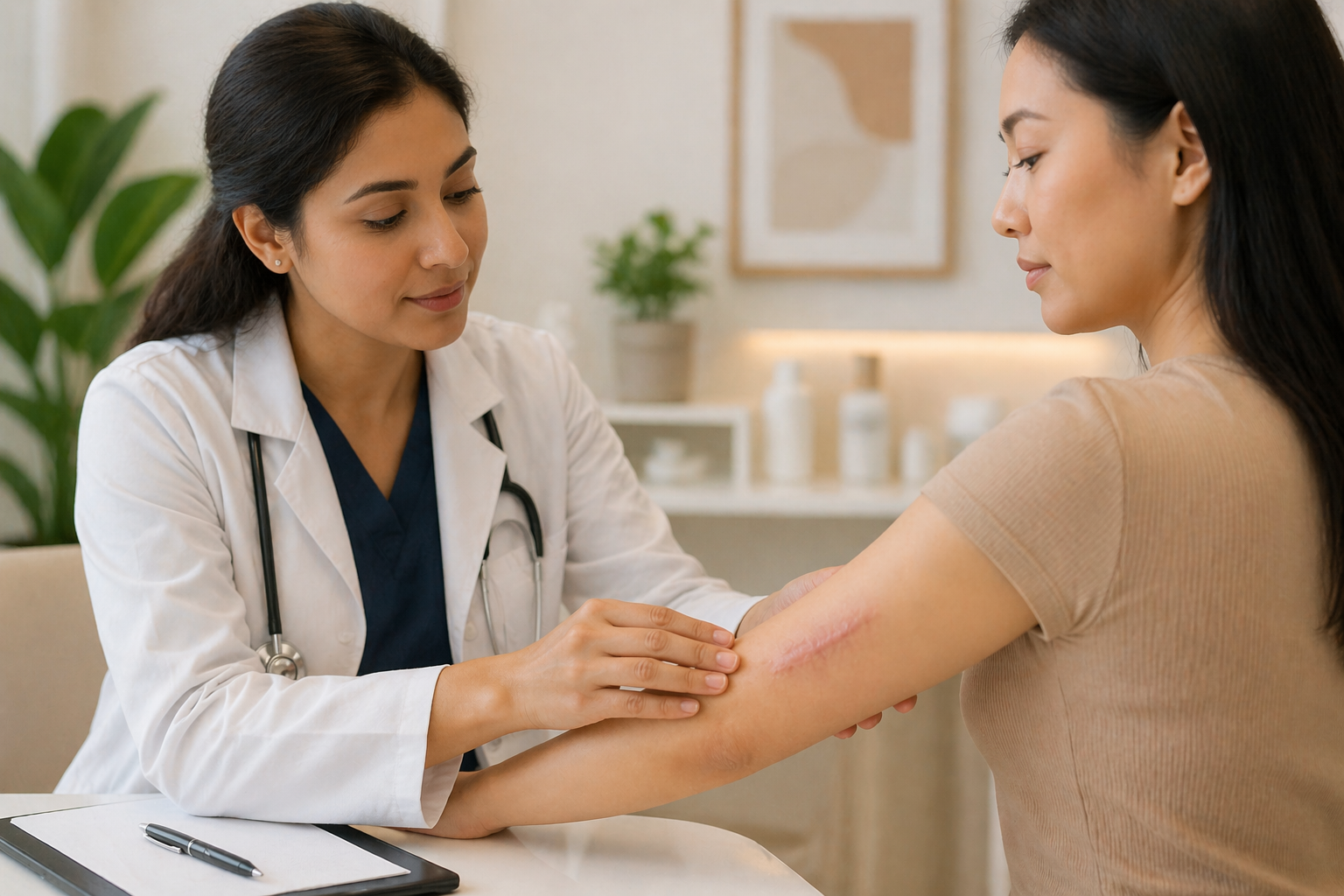
Your care begins with a doctor’s assessment.-
✔ Doctor-led scar evaluation
✔ Combined surgical and radiotherapy approach
✔ Personalised treatment planning
What You Can Get Back
- A flatter and less prominent scar appearance
- Reduced itching, discomfort, or tightness
- Improved skin texture in the affected area
- Better long-term scar control
Consult with our doctor to assess suitability.
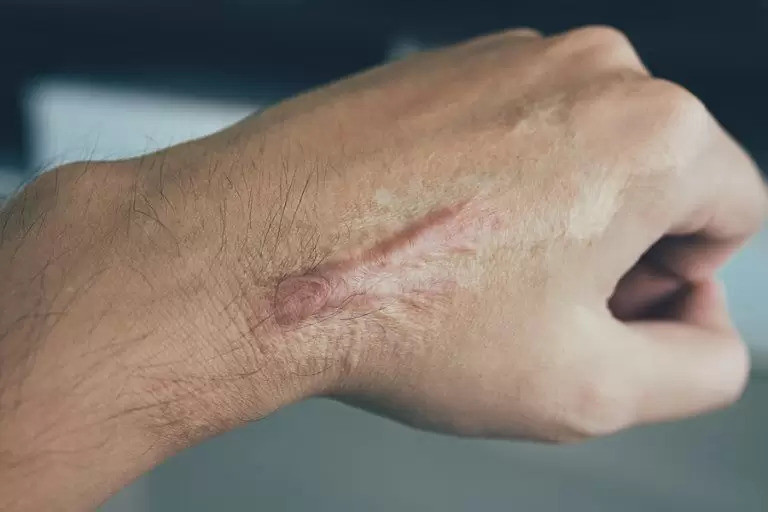
Are You Experiencing Problems with Keloid Scars?
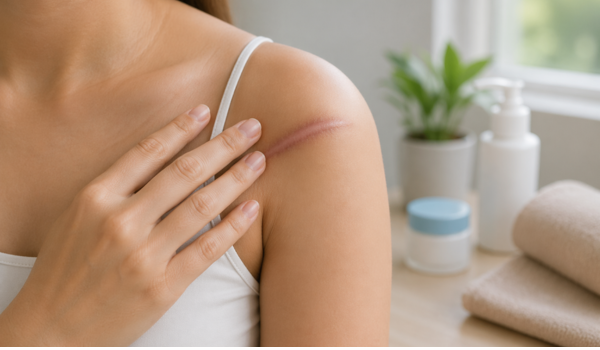
- Raised scars extending beyond the original wound
- Persistent itching or irritation
- Pain or discomfort in the scar area
- Progressive enlargement over time
- Cosmetic concerns affecting confidence
Keloids behave differently from normal scars.
A proper assessment helps determine the most appropriate treatment.
Treatment Overview
Keloid management may involve a combination of treatments depending on the scar’s size, location, and behaviour.
Surgical excision with post-treatment radiotherapy is used in the management of:
- Larger or persistent keloid scars
- Recurrent scars after previous treatments
- Symptomatic scars causing discomfort
This combined approach is designed to remove the existing scar and regulate future scar formation.
Trusted Medical Expertise
At Frances Medical & Aesthetic Clinic, treatment is guided by careful medical assessment.
- Doctor-led evaluation of scar type and behaviour
- Individualised treatment planning
- Experience in combined scar management approaches
- Focus on safe, evidence-informed care
Treatment decisions are tailored to each individual’s condition.
Assessment guided by our doctor.
How the Treatment Works
- The keloid scar is surgically removed under local anaesthesia
- The wound is closed carefully to minimise skin tension
- Radiotherapy is applied to the treated area shortly after
This approach is designed to:
- Remove excess scar tissue
- Reduce activity of scar-forming cells
- Lower the likelihood of recurrence
Personalised care guided by medical expertise.
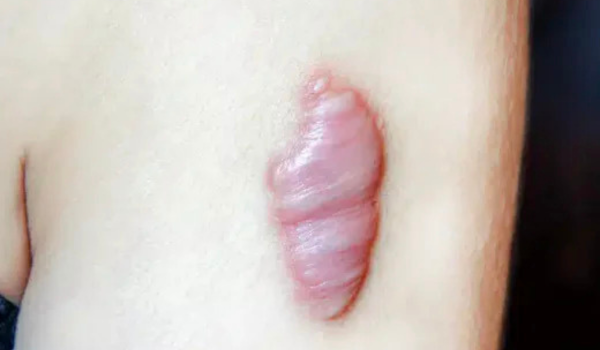
Treatment Approach
Treatment is customised based on:
- Size, location, and thickness of the keloid
- Previous treatments and recurrence history
- Individual healing response and skin characteristics
Additional therapies may be considered where appropriate.
What This Treatment May Help Support
This treatment is designed to support:
- Reduction in scar bulk and prominence
- Improved comfort in the affected area
- Better control of keloid recurrence
- More stable long-term scar outcomes
Results vary between individuals.
Individual suitability will be assessed by our doctor.
What to Expect
Consultation
- Assessment of scar characteristics and suitability
Procedure
- Surgical removal (30–90 minutes depending on size)
- Radiotherapy sessions over several days if indicated
Comfort
- Local anaesthesia used during surgery
- Radiotherapy generally well tolerated
Recovery & Aftercare
- Wound healing typically within 1–2 weeks
- Mild redness or tenderness may occur
- Avoid excessive tension on the treated area
- Follow-up required for monitoring
Safety & Suitability
This treatment is generally safe when performed under medical supervision.
Common temporary effects:
- Redness or swelling
- Mild pigmentation changes
- Local discomfort
Less common risks:
- Infection
- Delayed healing
- Rare tissue complications
Not all individuals are suitable.
A doctor’s assessment is required.
If a keloid scar is causing discomfort or affecting your skin appearance, a medical assessment can help guide appropriate treatment options.
Consult with our doctor to assess suitability.