
- Flatten small bumps around the eyes and face
- Improve skin texture and smoothness
- Reduce recurrence with targeted treatment
Smoother Skin, Shallower Scars, More Even Texture — With Doctor-Guided Treatment
A medically guided approach to improve acne scars and restore smoother, more even-looking skin through targeted collagen repair.
Your care begins with a doctor’s assessment.
What Are Acne Scars
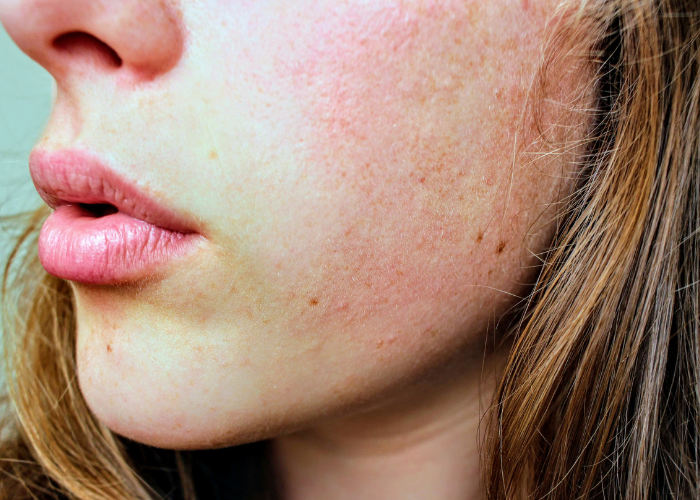
Acne scars form when inflamed acne damages the skin and heals unevenly.This affects how collagen is produced during healing, leading to:
- Depressed or pitted scars
- Raised or thickened scars
- Uneven skin texture
- Persistent redness or pigmentation
Most individuals have a combination of scar types, which requires a tailored treatment approach.

Types of Acne Scars
Ice Pick Scars
- Deep, narrow scars that extend into the skin
- Often more difficult to treat
Boxcar Scars
- Defined edges with deeper indentations
- Common on cheeks and jaw
Rolling Scars
- Wavy, uneven skin appearance
- Caused by tethered skin beneath the surface
Hypertrophic Scars
- Raised scars from excess collagen production
- May feel firm or thickened
Why Acne Scars Form (And Why Early Treatment Matters)
Acne scars develop as part of the skin’s healing response.
- Too little collagen → depressed scars
- Too much collagen → raised scars
- Other contributing factors:
- Severity of acne
- Repeated breakouts in the same area
- Picking or squeezing acne
- Individual healing response
Early treatment helps reduce the risk of deeper, more permanent scarring.
What This Treatment May Help Improve
Acne scar treatment is used in the management of:
- Depressed acne scars
- Uneven skin texture
- Enlarged pores
- Post-acne pigmentation or redness
- Overall skin smoothness
Consult with our doctor to assess suitability.
How Acne Scar Treatment Works (Technology & Approach)
Acne scar treatment is not a single procedure.
It is a doctor-led combination approach using different technologies based on your scar type.
Core principle: Collagen remodelling
- Controlled energy or stimulation is delivered into the skin
- Triggers the body’s natural repair process
- Encourages new collagen formation
- Gradually improves skin structure and texture
Technologies used include:
Laser Treatments (e.g. Fractional CO₂, Fraxel, Pico MLA)
- Deliver precise energy into the skin
- Target both surface and deeper layers
- Improve scars, pores, and texture
Radiofrequency Microneedling (Infini, Secret RF)
- Microneedles deliver RF energy into deeper skin layers
- Stimulates collagen and elastin
- Helps improve deeper, depressed scars
Chemical Reconstruction (TCA CROSS)
- Targets deep scars such as ice pick scars
- Stimulates collagen within the scar
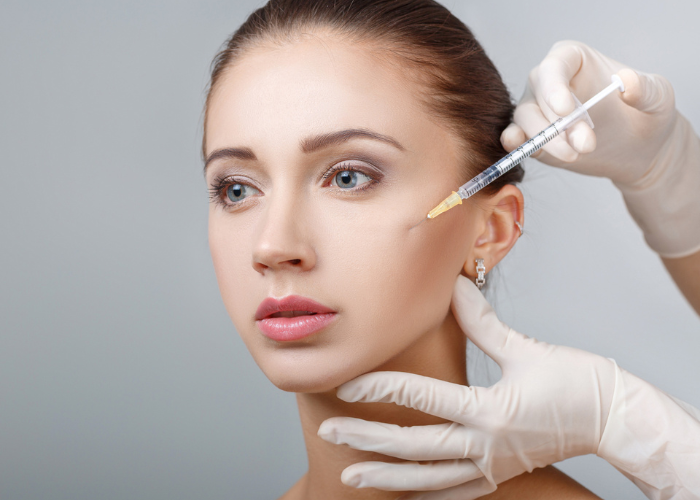
Subcision & Dermal Fillers
- Release tethered scars beneath the skin
- Restore volume to depressed areas
Why this works better than creams or DIY methods:
- Targets deeper structural damage
- Actively stimulates collagen production
- Customised based on scar type—not one-size-fits-all
Doctor-Led Assessment (Essential for Results)
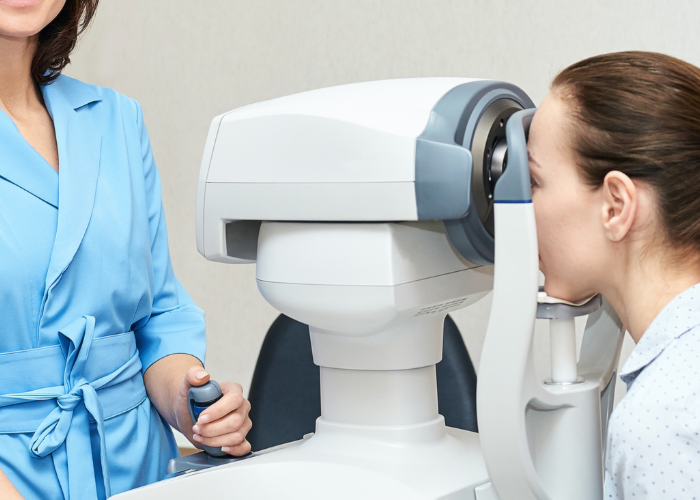
Your doctor will:
- Identify all scar types present
- Assess depth and severity
- Evaluate skin type and sensitivity
- Recommend a combination treatment plan
This ensures treatment is precise, safe, and individualised.
Doctor-Led Assessment (Essential for Accuracy)
- Treatments performed by experienced doctors
- Access to multiple medical-grade technologies
- Customised combination approach
- Focus on gradual, natural-looking improvement
Personalised care guided by medical expertise.
What to Expect
During Treatment
- Skin is cleansed and prepared
- Numbing may be applied
- Selected treatments are performed based on plan
Duration
- Typically 30–60 minutes depending on treatment
Sensation
- Mild discomfort, managed with numbing
Recovery & Aftercare
You may experience:
- Redness or mild swelling
- Temporary sensitivity
- Dryness or light peeling
Aftercare includes:
- Sun protection
- Gentle skincare
- Following doctor’s instructions
Recovery varies depending on treatment combination.
Safety & Considerations
Common temporary effects:
- Redness
- Swelling
- Sensitivity
Less common risks:
- Pigmentation changes
- Infection
- Prolonged irritation
Multiple sessions are usually required for progressive improvement.
If acne scars continue to affect your skin texture or confidence, a medical assessment can help guide the most appropriate treatment plan.
Assessment is required to determine suitability.