

- Break down stubborn pigment deposits
- Improve uneven skin tone
- Restore clearer, more balanced skin
Reduce Dark Spots and Restore Even Skin Tone
Target excess pigmentation at its source with doctor-guided laser treatment.
Your care begins with a doctor’s assessment.
Why Patients Consider Treatment
Pigmentation can persist despite skincare.You may notice:
- Dark spots from sun exposure
- Uneven or patchy skin tone
- Post-acne marks that remain
- Hormonal pigmentation (melasma)
- Freckles or age spots
These changes can affect overall skin clarity.
Personalised care guided by medical expertise.
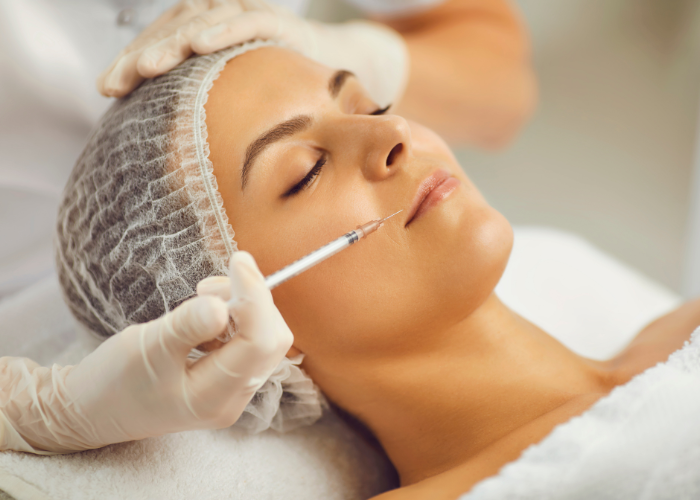
What is Hyperpigmentation Laser Treatment?
Hyperpigmentation Laser Treatment is a medical laser procedure used in the management of excess skin pigmentation.
It works by using focused light energy to:
- Target melanin (pigment) in the skin
- Break pigment into smaller particles
- Support gradual clearance by the body
This process helps reduce visible pigmentation over time.
How the Laser Technology Works
- Laser devices deliver specific wavelengths of light into the skin.This process involves:
- Selective pigment targeting
Light energy is absorbed by melanin - Pigment fragmentation
Larger pigment clusters break into smaller particles - Natural clearance
The body removes fragmented pigment over time - Gradual brightening
Skin tone becomes more even with repeated sessions
Unlike topical skincare, laser treatment reaches deeper pigment layers, allowing more targeted correction.
- Selective pigment targeting
What This Treatment May Help Improve
- Reduction in dark spots and sunspots
- Improvement in uneven skin tone
- Fading of post-inflammatory pigmentation
- Better overall skin clarity
More even-looking complexion
Results develop progressively and vary by individual.
Consult with our doctor to assess suitability.

Doctor-Led Assessment (Essential Step)
Pigmentation differs in type and depth.
Your doctor will:
- Identify pigmentation type (sunspots, melasma, PIH)
- Assess depth and distribution
- Evaluate skin type and sensitivity
- Review medical and skincare history
A personalised plan is developed based on your skin.
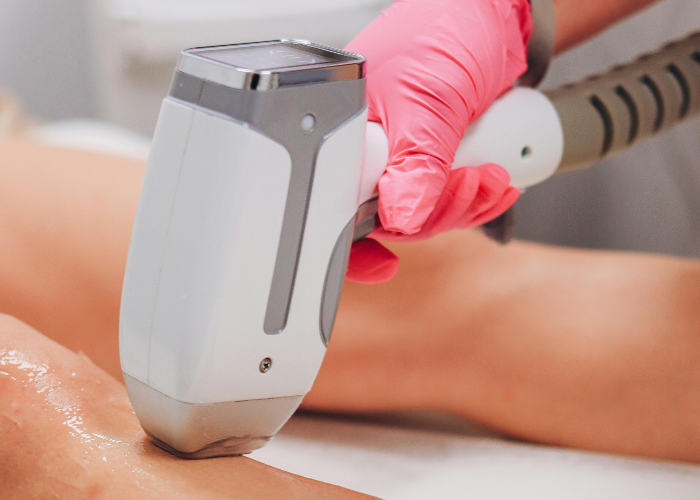
Treatment Technologies Used
Different technologies are selected based on your condition:
Q-Switched Lasers (Nd:YAG)
- Deliver high-energy pulses
- Target discrete pigment like sunspots and freckles
Picosecond Lasers
- Ultra-short pulses
- Break pigment more efficiently with less heat
Fractional Lasers
- Treat micro-areas of skin
- Support both pigmentation and texture improvement
IPL (Intense Pulsed Light)
- Broad-spectrum light
- Used for diffuse pigmentation and redness
Technology selection depends on pigment depth, skin tone, and treatment goals.
Why Laser Instead of Skincare Alone
- Skincare works mainly on surface pigmentation
- Deeper pigment may not respond fully to creams
- Laser targets pigment within deeper skin layers
- This allows a more targeted and structured approach to pigmentation management.
Consult with our doctor to assess suitability.
Why Choose a Doctor-Led Clinic
- Medical diagnosis before treatment
- Personalised technology selection
- Experience managing different pigmentation types
- Focus on gradual, controlled improvement
Treatment is guided by your skin condition—not a standard protocol.
Personalised care guided by medical expertise.
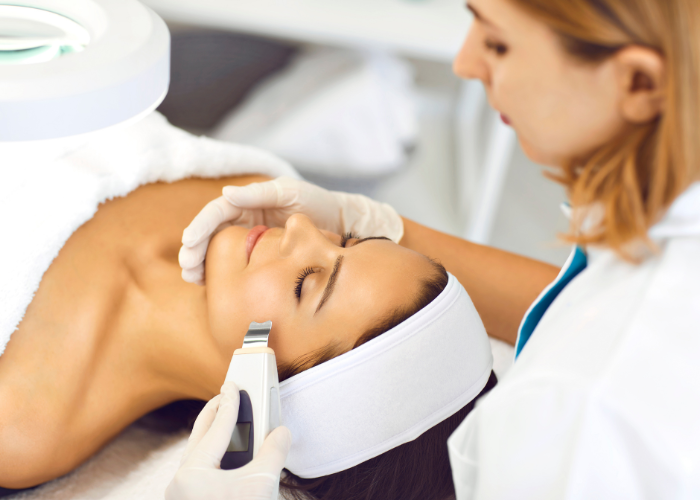
What to Expect
Consultation
- Skin assessment and treatment planning
Procedure
- Cleansing and preparation
- Protective eyewear
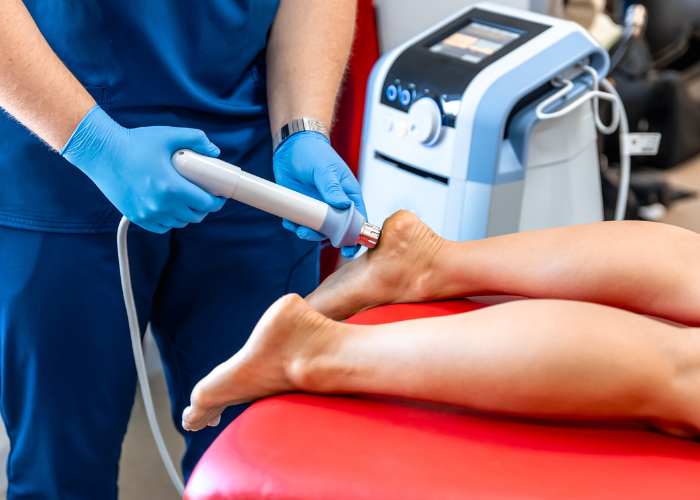
- Controlled laser delivery
Duration
- 20–30 minutes
Comfort
- Mild warmth or snapping sensation
Recovery & Aftercare
- Mild redness or warmth
- Temporary darkening of spots
- Light flaking in some cases
Most effects settle within a few days.Aftercare includes:
- Daily sun protection
- Gentle skincare
- Following doctor’s advice
Safety & Considerations
Laser treatment is generally safe when performed by trained doctors.Possible effects:
- Redness
- Mild swelling
- Temporary pigmentation changes
Less common risks:
- Blistering
- Infection
- Scarring
A medical assessment is required before treatment.
If pigmentation continues to affect your skin tone or confidence, a medical assessment can help guide appropriate care.
Assessment is required to determine suitability.