
Advanced screening methods, including Multicancer Early Detection (MCED), are used in the evaluation of selected cancer risks in appropriate individuals.
Detect Potential Health Risks Earlier. Plan Your Next Steps with Clarity.
A doctor-guided cancer screening approach designed to assess risk and support early detection.
Your care begins with a doctor’s assessment.
✔ Doctor-led evaluation
✔ Advanced screening technologies
✔ Personalised risk-based approach
What You Can Get Back
- Greater clarity on your personal cancer risk
- Earlier identification of potential concerns
- Better understanding of your health status
- More informed decisions about your long-term health
Consult with our doctor to assess suitability.


Are You Considering Cancer Screening?
- Family history of cancer
- Age 40 and above
- Previous exposure to risk factors (e.g. smoking)
- Preference for proactive health monitoring
- Seeking reassurance about your health
Cancer may not present symptoms in early stages.
A structured assessment helps guide appropriate screening.
Treatment Overview
Cancer screening is a structured medical evaluation using laboratory tests, imaging, and specialised investigations.
Frances Medical & Aesthetic Clinic Early Cancer Detection Programme includes advanced methods such as:
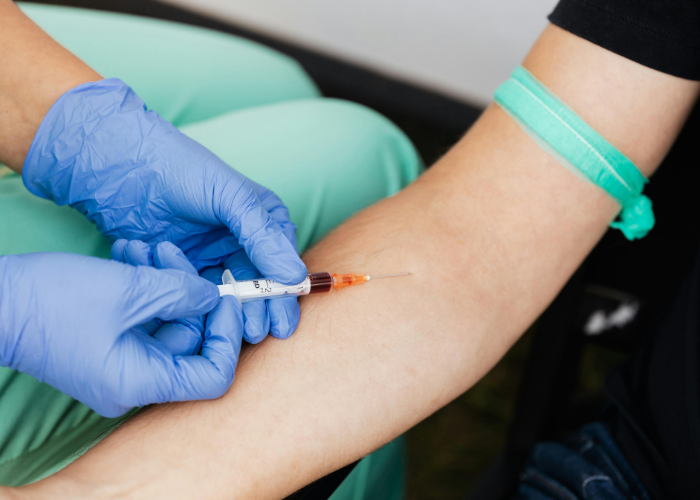
- Blood-based screening for tumour markers
- Genetic screening for inherited risk
- Imaging such as MRI or ultrasound where appropriate
- Multicancer Early Detection (MCED) testing
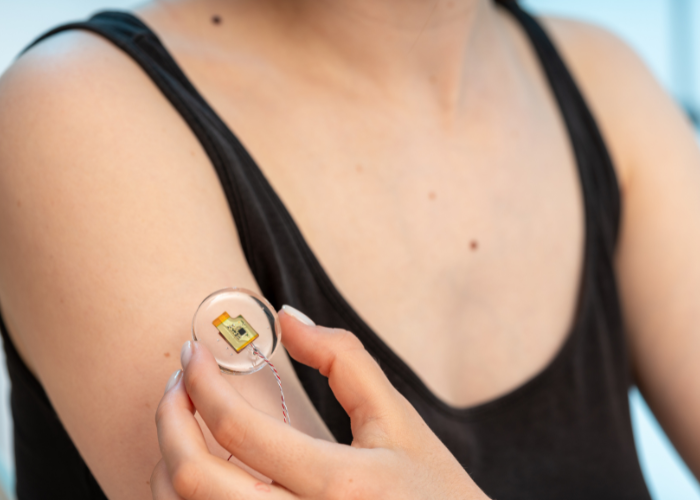
MCED is a blood-based approach that analyses DNA changes associated with cancer.
Screening is used in the assessment of cancer risk and early detection in selected individuals.
Trusted Medical Expertise
AtFrances Medical & Aesthetic Clinic, screening is guided by careful medical assessment.
- Doctor-led, risk-based screening approach
- Use of advanced diagnostic technologies
- Individualised recommendations based on risk profile
- Focus on appropriate and evidence-informed care
Each screening plan is tailored to your health profile and concerns.
Assessment guided by our doctor.
How the Screening Works
- A consultation assesses your personal and family risk factors
- Appropriate screening tests are selected
- Results are reviewed and explained with medical guidance
Screening may include:
- Blood tests and tumour markers
- Genetic and DNA-based testing
- Imaging such as MRI or ultrasound
- Additional procedures where clinically indicated
Personalised care guided by medical expertise.
Screening Approach
- Personalised, risk-based screening selection
- Combination of conventional and advanced technologies
- Integrated review of results for clinical relevance


What This Programme May Help Support
This programme is designed to support:
- Identification of selected cancers at an earlier stage
- Better understanding of individual risk factors
- Ongoing monitoring where appropriate
- Informed healthcare planning
Outcomes vary between individuals.
Individual suitability will be assessed by our doctor.
What to Expect
Consultation
- Review of history and risk profile
Screening Process
- Blood tests, imaging, or specialised tests
- Some investigations may require separate appointments
Comfort
- Most procedures are well tolerated
Recovery & Aftercare
- Most tests require minimal downtime
- Resume daily activities shortly after
- Follow-up arranged for results review
Safety & Suitability
Screening procedures are generally safe when appropriately selected.
Common considerations:
- Mild discomfort from blood tests
- Temporary effects from certain procedures
Not all tests are suitable for everyone.
A doctor’s assessment is required.
If you would like a clearer understanding of your cancer risk or screening options, a medical assessment can help guide appropriate care.
Consult with our doctor to assess suitability.