
- Improve skin appearance and confidence
- Remove raised or visible moles comfortably
- Address moles that change in size, colour, or shape
Remove Unwanted Moles Safely with Doctor-Guided Treatment
Achieve clearer, smoother skin with medically appropriate mole removal.
Your care begins with a doctor’s assessment.
Understanding Skin Moles
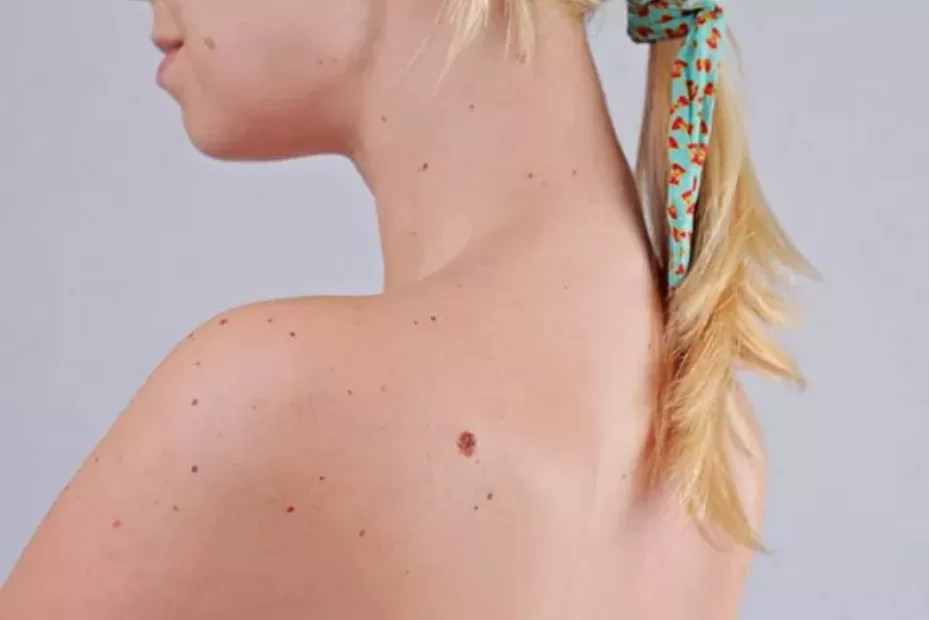
Moles (melanocytic naevi) are common skin growths.
They may:
- Appear on the face or body
- Be flat or raised
- Vary in colour (brown, black, or mixed)
Most moles are benign, but some may require medical evaluation if changes occur.
When Should a Mole Be Checked
You should consider assessment if a mole:
- Changes in size, colour, or shape
- Has irregular borders
- Becomes itchy, painful, or bleeds
- Appears new in adulthood
Doctors use the ABCDE guideline:
- Asymmetry
- Border irregularity
- Colour variation
- Diameter > 6mm
- Evolution over time
Early assessment helps guide appropriate management.
What is Mole Removal Treatment
Mole removal is a doctor-performed medical procedure used in the management of:
- Irritated or raised moles
- Clinically suspicious lesions
Treatment is selected based on:
Cosmetic mole concerns
- Mole type (flat, raised, deep)
- Location on the body
- Clinical safety considerations
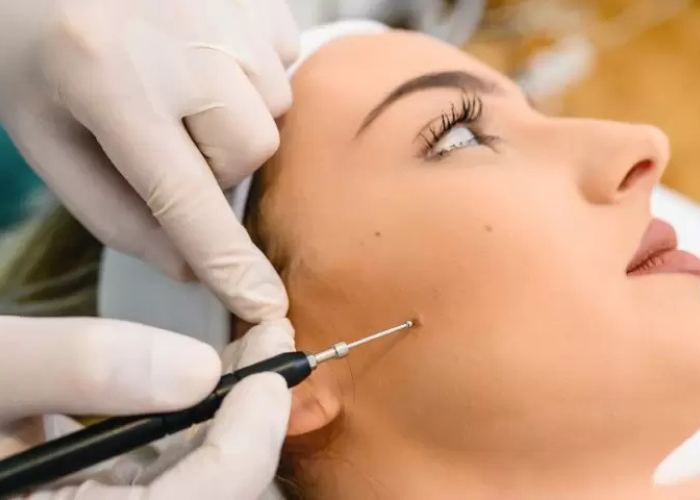
Mole Removal Methods (Treatment Options)
Your doctor will recommend the most appropriate technique.
Laser Mole Removal (Device-Based Treatment)
A non-invasive laser treatment used for selected benign moles.
Technology used:
- Medical-grade laser targeting pigment (melanin)
How it works:
- Laser energy breaks down pigmented mole cells
- The body gradually clears these particles
Best for:
- Small, flat, non-cancerous moles
Why this works better than creams:
- Targets pigment at depth
- More precise than topical treatments
Shave Excision (Minor Surgical Procedure)
A surface-level removal technique.How it works:
- Mole is carefully shaved at skin level
- No stitches required
Best for:
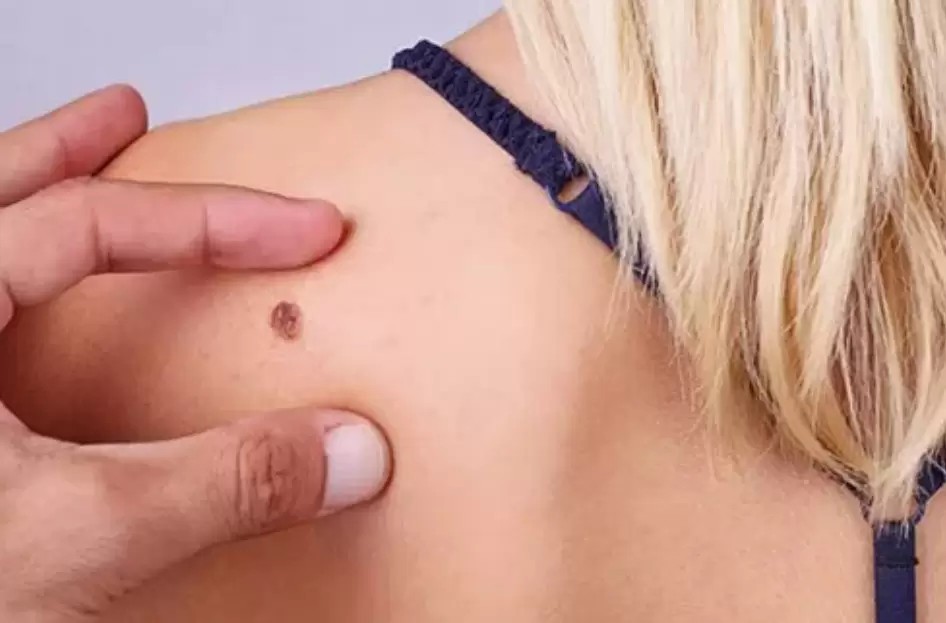
- Raised moles
Outcome:
- Smooth, flatter skin surface after healing
Surgical Excision (Complete Removal)
A full-thickness surgical procedure.
Technology used:
- Surgical instruments under local anaesthesia
How it works:
- Entire mole is removed
- Wound is closed with stitches
- Tissue may be sent for laboratory analysis
Best for:
- Suspicious or deeper moles
What This Treatment May Help Improve
- Removal of visible or raised moles
- Improved skin smoothness and appearance
- Reduced irritation from friction
- Medical evaluation of atypical moles
Consult with our doctor to assess suitability.
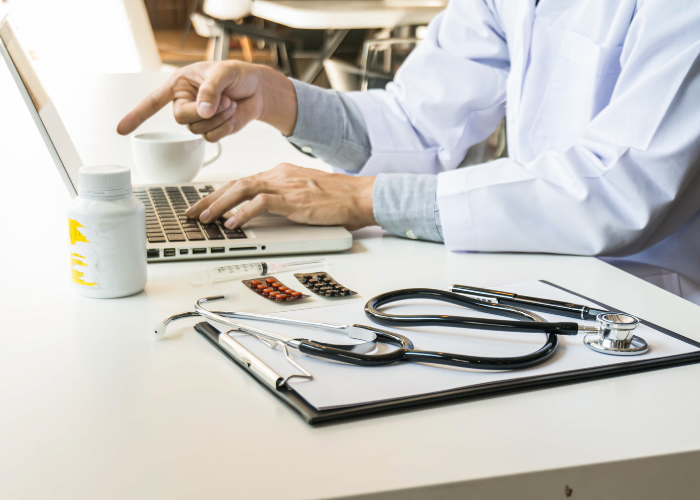
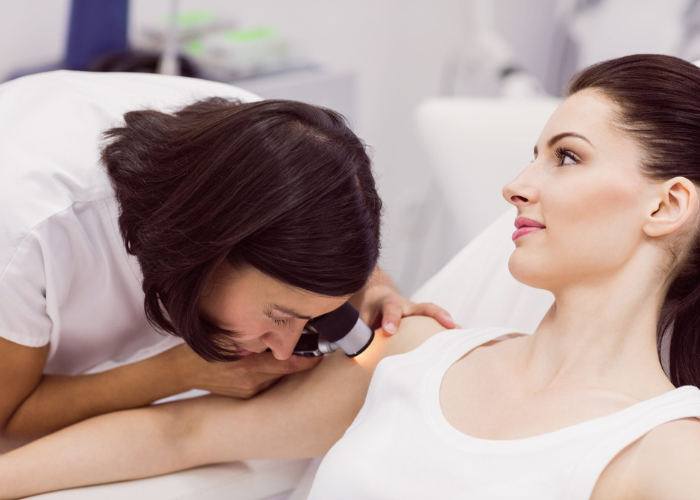
Doctor-Led Assessment (Essential Step)
Before any removal, your doctor will:
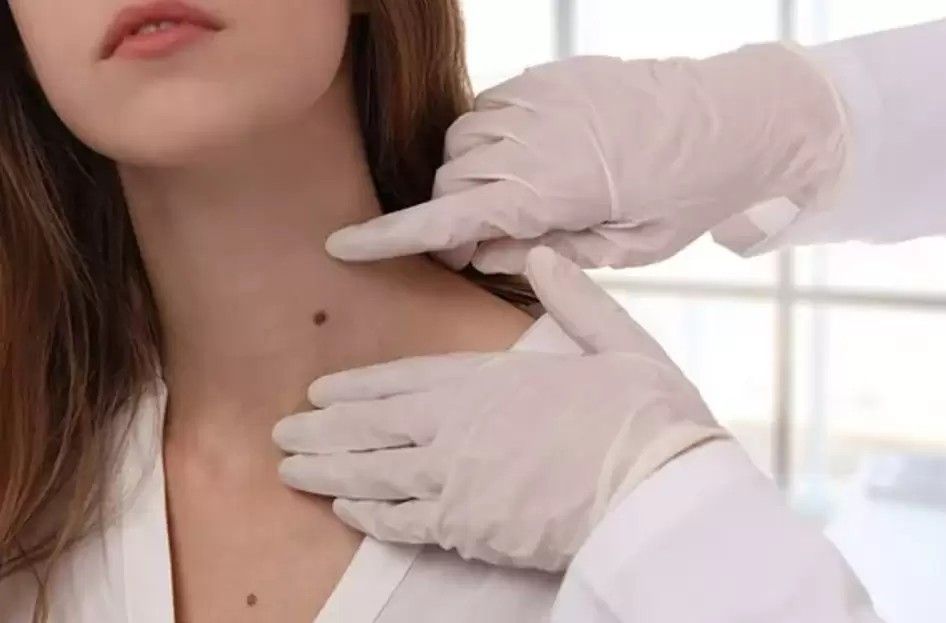
- Examine the mole (visual + dermatoscopy if needed)
- Determine if it appears benign
- Recommend the safest treatment method
- Advise if further testing is required
This ensures both safety and appropriate care.
Personalised care guided by medical expertise.
Why Choose a Doctor-Led Clinic
- Accurate diagnosis before removal
- Access to laser and surgical options
- Personalised treatment selection
- Safe handling of suspicious lesions
Care is focused on medical safety and aesthetic outcome.
Personalised care guided by medical expertise.
What to Expect
During Treatment
- Local anaesthesia (if required)
- Mole removal using selected method
- Short in-clinic procedure
Duration
- Laser: a few minutes
- Surgical: ~20–30 minutes
Sensation
- Minimal discomfort during procedure
Recovery & Aftercare
You may experience:
- Mild redness or scabbing
- Temporary sensitivity
Aftercare includes:
- Keeping the area clean
- Sun protection
- Avoiding irritation
Healing typically occurs within 1–2 weeks (depending on method).

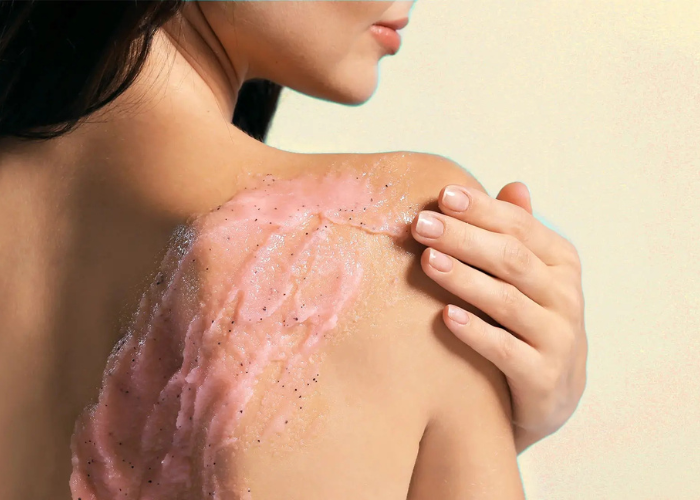
Safety & Considerations
Common effects:
- Mild redness
- Temporary discomfort
Less common risks:
- Scarring
- Infection
- Pigmentation changes
Not all moles are suitable for laser removal.
Doctor assessment is required before treatment.
If a mole is changing, bothersome, or affecting your appearance, a medical assessment can help guide appropriate care.
Assessment is required to determine suitability.