

- Reduce appearance of dark spots and uneven tone
- Improve skin clarity and brightness over time
- Address pigmentation linked to sun, acne, or hormones
Reduce Visible Pigmentation and Restore a More Even Skin Tone
A doctor-guided laser approach designed to gradually lighten spots and improve skin clarity.
Your care begins with a doctor’s assessment.
Understanding Skin Pigmentation
Skin pigmentation refers to the colour of your skin, determined by melanin.
Excess or uneven melanin production can lead to:
- Dark spots or patches
- Uneven skin tone
- Persistent marks after acne or inflammation
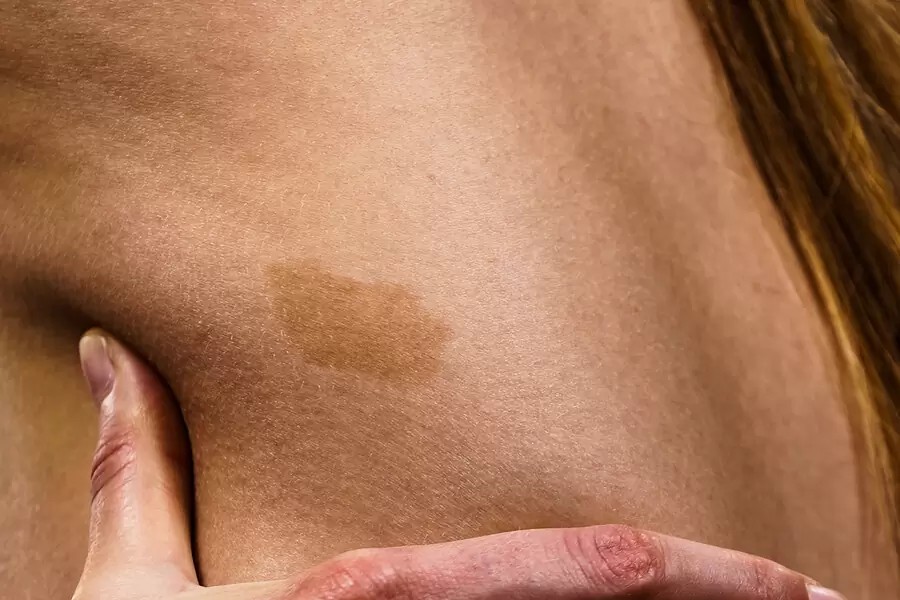

Causes of Skin Pigmentation
Common contributing factors include:
- Sun exposure – stimulates melanin production
- Hormonal changes – may lead to melasma
- Genetics – predisposition to certain pigmentation types
- Skin inflammation – acne or injury may leave marks
Understanding the cause helps guide appropriate treatment selection.
Common Types of Face Pigmentation
- Melasma – patchy brown or grey pigmentation
- Sunspots – UV-related dark spots
- Post-inflammatory hyperpigmentation (PIH) – marks after acne or injury
Freckles – small pigment clusters, often hereditary
What is Laser Skin Pigmentation Removal
Laser skin pigmentation removal is a non-invasive, device-based treatment used in the management of excess melanin in the skin.It is commonly used for:
- Uneven skin tone
- Sun damage
- Acne-related pigmentation
- Certain types of dermal pigmentation
Treatment is customised based on pigment type, depth, and skin condition.
How Laser Skin Pigmentation Removal Works
Laser systems deliver controlled light energy into the skin.
Mechanism:
- Light energy is absorbed by melanin
- Pigment is broken into smaller particles
- The body gradually clears these fragments
Over time, treated areas may appear lighter and more even.
Why this works better than topical products:
- Targets pigment beneath the skin surface
- More precise than creams acting only superficially
- Allows controlled, doctor-adjusted treatment depth
What This Treatment May Help Improve
- Reduction in visible pigmentation
- More even skin tone
- Brighter, clearer complexion
- Improvement in acne-related marks
Consult with our doctor to assess suitability.
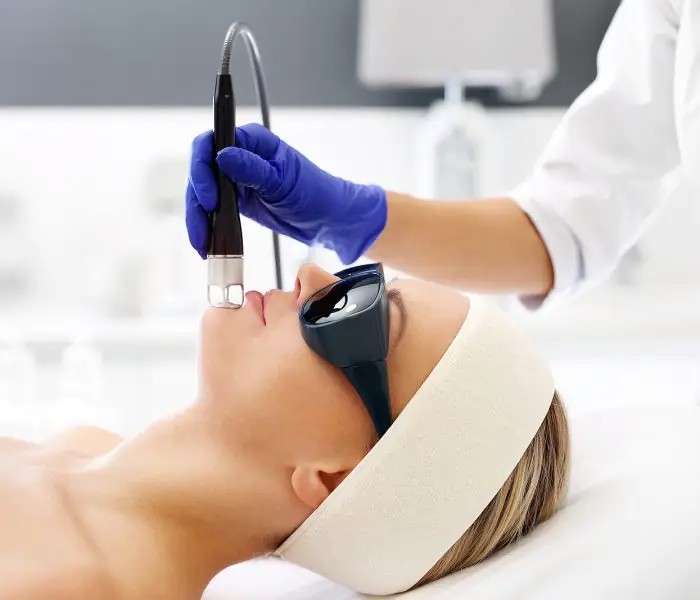
Doctor-Led Assessment (Why It Matters)
Before treatment, your doctor will:
- Assess pigmentation type and depth
- Identify underlying causes
- Select appropriate laser technology
- Customise treatment parameters
This ensures safe, appropriate, and individualised care.
Personalised care guided by medical expertise.
Laser Technologies Used
Different technologies are selected based on your skin condition.
Pico Laser (Picosecond Technology)
Category: Advanced laser treatment
- Delivers ultra-short energy pulses
- Breaks pigment into finer particles
- Minimises heat impact on surrounding skin
Used in the management of:
- Stubborn pigmentation
- Acne marks
- Uneven skin tone
Q-Switched Laser
Category: Targeted pigment laser
- Emits high-energy pulses at specific wavelengths
- Breaks down deeper pigmentation
- Allows gradual clearance through natural processes
Used for:
- Dark spots
- Age spots
- Certain birthmarks
Personalised care guided by medical expertise.
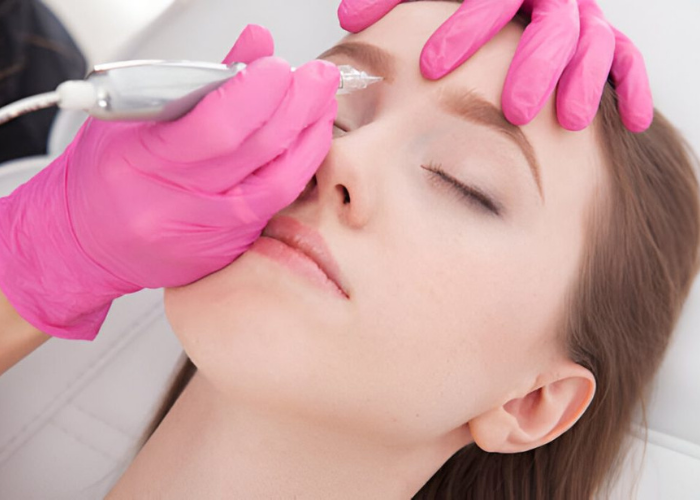
Fractional Laser (Fraxel Dual Technology)
Category: Dual-wavelength resurfacing laser
- 1550nm wavelength supports collagen stimulation
- 1927nm wavelength targets superficial pigmentation
Effect:
- Addresses both pigment and skin texture
- Supports skin renewal
Exosome Therapy (Adjunct Technology)
Category: Regenerative topical therapy
- Contains growth factors and signalling molecules
- Supports skin repair and recovery
- Helps regulate excess melanin activity
Often used alongside laser treatments.
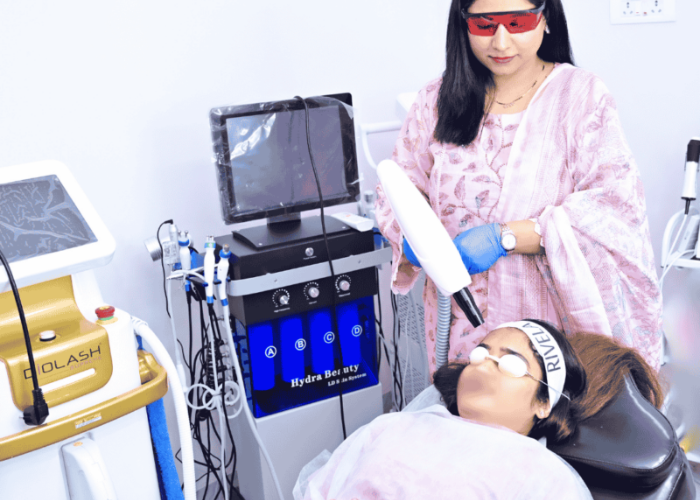
Why Choose a Doctor-Led Clinic
- Accurate diagnosis before treatment
- Access to multiple laser platforms
- Personalised treatment planning
- Focus on safety for different skin types
- Care is guided by medical evaluation, not a one-size approach.
Personalised care guided by medical expertise.
What to Expect
During Treatment
- Skin is cleansed
- Protective eyewear provided
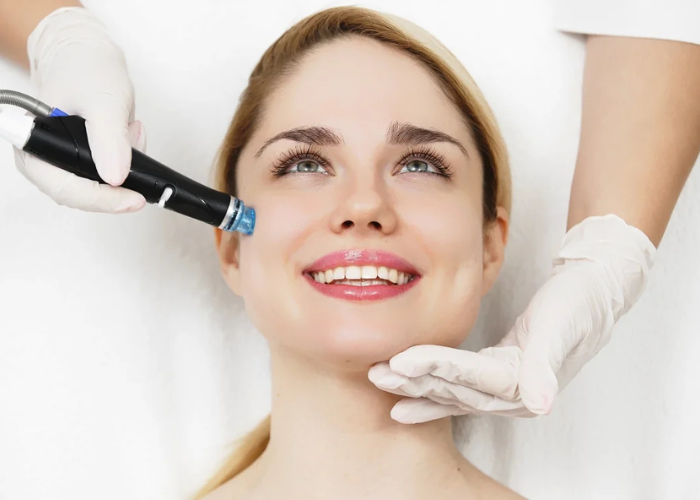
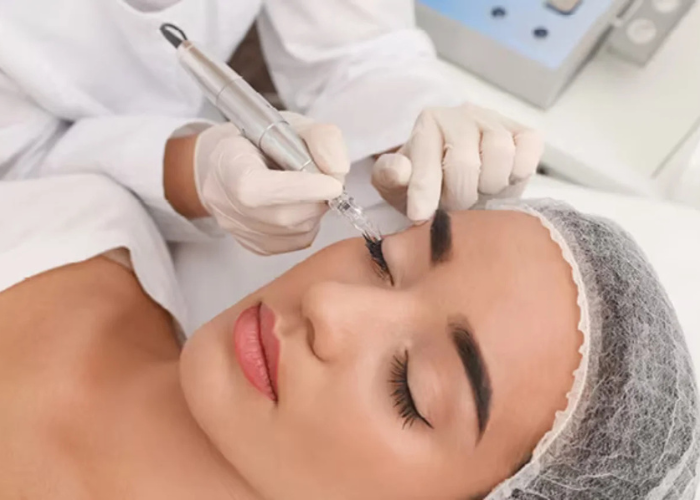
- Laser applied to targeted areas
Duration
- Typically 10–30 minutes
Sensation
- Mild warmth or snapping sensation
Recovery & Aftercare
You may notice:
- Mild redness
- Temporary darkening of treated spots
Aftercare includes:
- Daily sunscreen use
- Avoiding excessive sun exposure
- Gentle skincare
Most patients resume normal activities shortly after.
Safety & Considerations
Common temporary effects:
- Redness
- Mild swelling
Less common risks:
- Pigmentation changes
- Skin sensitivity
- Infection (rare)
Suitability depends on skin type and pigmentation condition.
A doctor’s assessment is required.
If pigmentation is persistent or affecting your confidence, a medical assessment can help guide appropriate care.
Assessment is required to determine suitability.