
- Lighten noticeable brown patches
- Improve overall skin tone uniformity
- Address long-standing pigmentation safely
Lighten Visible Brown Patches and Achieve a More Even Skin Tone
A doctor-guided laser approach designed to gradually reduce café-au-lait spots and improve skin clarity.
Your care begins with a doctor’s assessment.
Understanding Café-au-Lait Spots
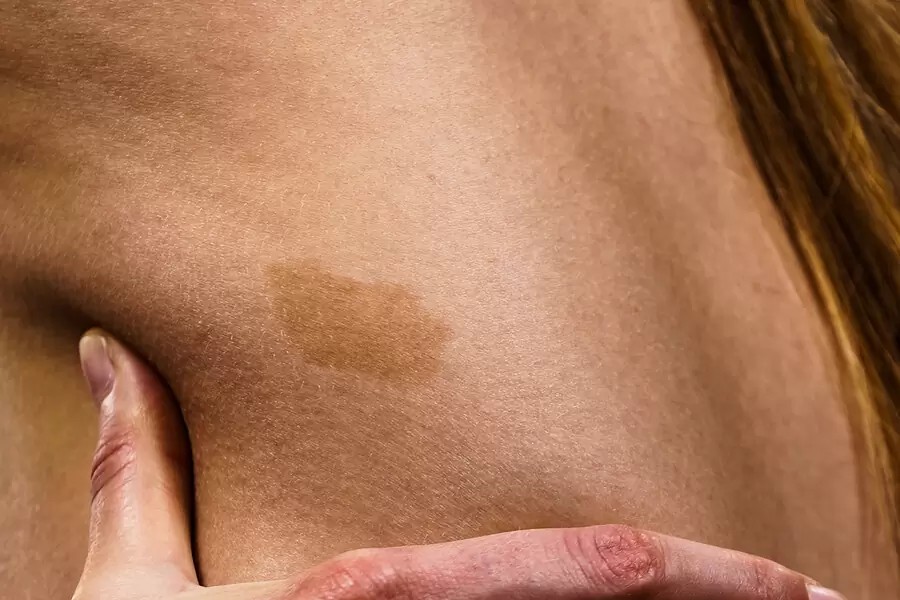
Café-au-lait spots are flat, light-brown patches caused by excess melanin.
They may:
- Appear anywhere on the body
- Vary in size and shape
- Be present from early life
Most are benign, though multiple spots may require medical evaluation.

What Causes Café-au-Lait Spots
These spots develop due to:
- Increased melanin production in specific areas
- Higher concentration of melanocytes (pigment cells)
- Genetic factors affecting pigment regulation
This results in uniform light-brown patches on the skin.
What is Café-au-Lait Spot Treatment
- Café-au-lait spot treatment is a doctor-guided pigmentation procedure used in the management of visible brown patches.Treatment focuses on:
- Lightening pigment
- Blending patches with surrounding skin
- Improving overall skin appearance
Suitability depends on pigmentation depth and individual skin type.
How Laser Treatment for Café-au-Lait Spots Works
Before treatment, your doctor will:
- Identify the type and depth of pigmentation
- Assess skin sensitivity and risk factors
- Determine if Q-Switched Laser is appropriate
- Customise treatment settings and plan
This ensures safe, personalised, and medically appropriate care.
What This Treatment May Help Improve
- Lightening of café-au-lait spots
- More even skin tone
- Reduction in visible contrast between patches and skin
- Improved overall skin appearance
Consult with our doctor to assess suitability.
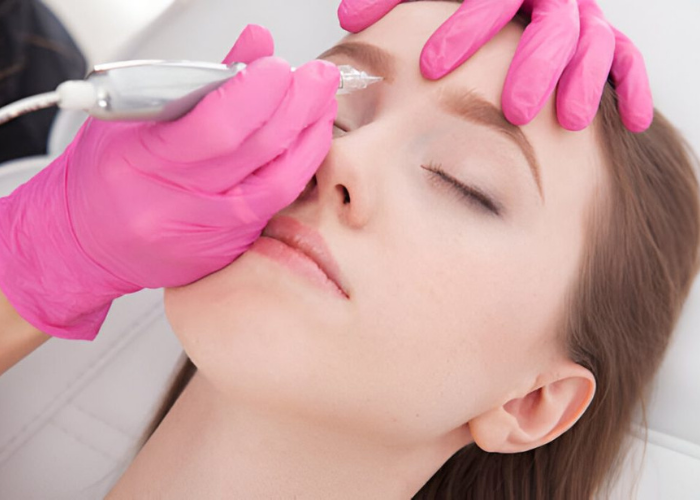
Doctor-Led Assessment (Why It Matters)
- Before treatment, your doctor will:
- Confirm the diagnosis
- Assess pigmentation depth and characteristics
- Evaluate if further medical review is needed
- Recommend suitable treatment options
This ensures safe, appropriate, and personalised care.
Personalised care guided by medical expertise.
Doctor-Led Assessment (Why It Matters)
Treatment is selected based on the characteristics of the spot.
Pico Laser (Picosecond Technology)
Category: Advanced pigment laser
- Delivers ultra-fast pulses of energy
- Breaks pigment into finer particles
- Minimises heat impact on surrounding skin
Used in the management of:
- Resistant pigmentation
- Uneven skin tone
Personalised care guided by medical expertise.
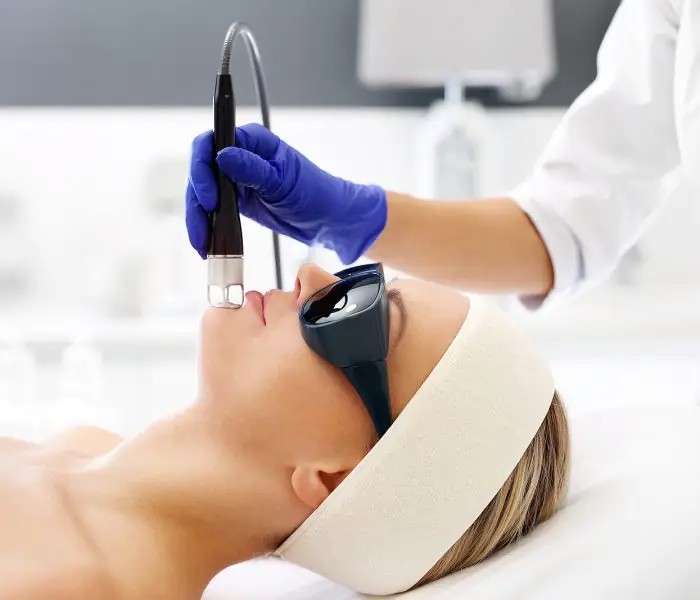
Q-Switched Laser (532nm, 755nm, 1064nm)
- Category: Targeted pigment laser
- Uses specific wavelengths to target melanin at different depths
- 532nm wavelength targets superficial pigmentation
- Breaks pigment for gradual clearance
Used for:
- Café-au-lait spots
- Other pigmented lesions
Adjunct Treatment Options (Selected Cases)
Depending on assessment:
- Topical pigment-modifying treatments
- Skin renewal procedures
- Combination treatment approaches
Why Choose a Doctor-Led Clinic
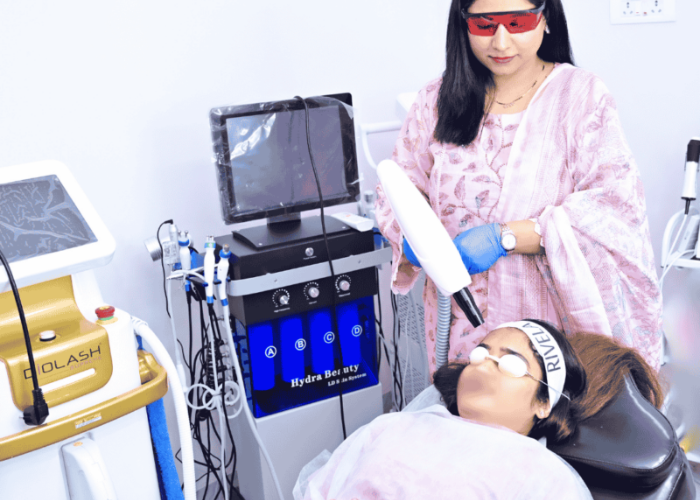
- Multiple laser platforms for different pigment depths
- Customised laser parameters (pulse, energy, spot size)
- Experience managing resistant pigmentation
- Focus on safety for Asian and sensitive skin
- Treatment is guided by clinical evaluation, not a fixed protocol.
Personalised care guided by medical expertise.
What to Expect
During Treatment
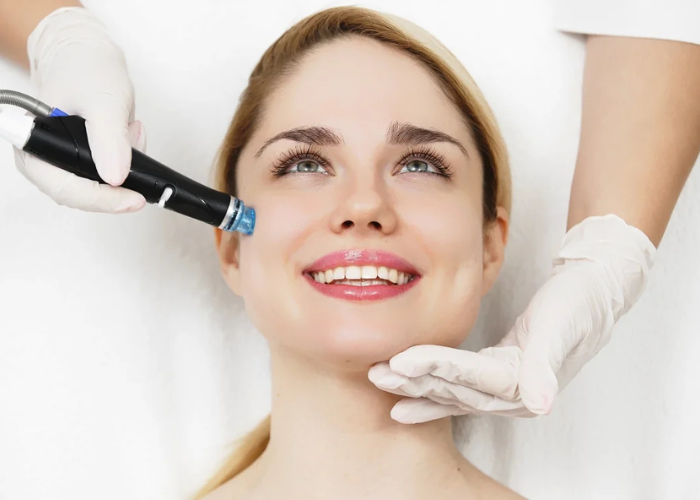
- Skin is cleansed
- Protective eyewear provided
- Laser applied to targeted areas
Duration
- Typically 10–20 minutes
Sensation
- Mild snapping or warmth
Recovery & Aftercare
You may notice:
- Mild redness
- Temporary darkening of the spot
Aftercare includes:
- Sun protection
- Gentle skincare
- Avoiding irritation
Most patients resume daily activities shortly after.
Safety & Considerations
Common temporary effects:
- Redness
- Mild swelling
Less common risks:
- Pigmentation changes
- Scarring
- Infection (rare)
Results may vary depending on pigmentation depth and skin response.
Doctor assessment is required.
If café-au-lait spots are noticeable or affecting your confidence, a medical assessment can help guide appropriate care.
Assessment is required to determine suitability.